Electric Mobility Scooter: Definition, Use Cases & Global Market Analysis vs Wheelchairs
In recent years, electric mobility scooters have emerged as a high-growth core segment of the global micro-mobility and elderly assistive transportation markets. Unlike traditional high-speed electric scooters for commuting and professional medical wheelchairs, modern electric mobility scooters perfectly balance daily travel convenience, operational safety, and barrier-free mobility needs, primarily serving aging populations, people with limited mobility, and urban residents seeking hassle-free short-distance travel. Fueled by global population aging, continuous upgrades in urban micro-mobility systems, and breakthroughs in lithium battery technology, the electric mobility scooter industry has maintained stable and sustainable growth. This in-depth guide fully defines what electric mobility scooters are, analyzes their mainstream real-world use cases, and delivers a detailed global market comparison between mobility scooters and electric wheelchairs, covering market scale, growth trends, and competitive differences to offer actionable insights for industry practitioners, cross-border e-commerce sellers, and global market investors.
1. What Is an Electric Mobility Scooter? Core Definition & Product Classification
An electric mobility scooter is a battery-powered, lightweight personal assistive mobility device engineered exclusively for low-speed short-distance travel and daily mobility support. Equipped with electric drive systems, intelligent variable-speed control, and a stable anti-tip chassis, the electric mobility scooter features simple one-handed operation, ultra-low noise, zero carbon emissions, and excellent accessibility for vulnerable users. Unlike fast urban commuter electric scooters built for young adults, consumer-grade electric mobility scooters prioritize three core advantages: safety, stability, and comfort. With restricted low maximum speed, anti-tilt chassis design, non-slip wide tires, and ergonomic padded seats, these mobility devices fully adapt to the low-speed travel habits and safety requirements of elderly users and people with mild mobility limitations.
To meet diverse user demands and scenario requirements, global electric mobility scooter manufacturers classify their mainstream products into three core categories, each targeting segmented consumer and institutional markets with differentiated performance and functional design:
1.1 Portable Folding Mobility Scooters
Portable folding electric mobility scooters are the best-selling consumer-grade model in the global market. Featuring ultra-light materials and one-step folding design, these foldable mobility scooters are easy to carry, store, and transport in car trunks, making them ideal for daily family use. Suitable for flat, paved road surfaces in residential communities, supermarkets, shopping malls, and urban parks, they offer balanced battery life and outstanding cost performance. As the most accessible type of electric mobility scooter, folding models dominate the civilian consumer market due to their high practicality and affordable pricing.
- E-Bike Regulations in Germany: Official Rules for Pedelec, S-Pedelec & Throttle E-Bikes
- Australia Queensland Gov 2026 New laws for e-scooters and e-bikes
- Portable electric scooter 500W Peak700W range 45km
- EBS is an integrated system of electromagnetic braking + kinetic energy recovery
- Scooters Peak power ≈ Rated power × 2.5~3 times
1.2 Four-Wheel Heavy-Duty Mobility Scooters
Four-wheel heavy-duty electric mobility scooters are high-end outdoor-focused mobility devices built for stability and durability. Fitted with widened reinforced chassis, high-elastic shock-absorbing tires, and large-capacity lithium batteries, these heavy-duty mobility scooters deliver superior anti-tip performance and terrain adaptability. They can smoothly handle gentle slopes, uneven suburban roads, and rough outdoor pavements, supporting long-range outdoor travel and daily leisure activities for the elderly. With higher load-bearing capacity and longer battery lifespan, four-wheel heavy-duty electric mobility scooters occupy the premium segment of the overseas assistive travel market.
1.3 Intelligent Assistive Mobility Scooters
Intelligent assistive electric mobility scooters represent the upgraded future-oriented product line in the industry. Integrated with smart technologies including infrared obstacle avoidance sensors, one-key electric start, constant-speed cruise control, and Bluetooth mobile APP connectivity, top-tierintelligent mobility scooters also add GPS positioning, real-time safety monitoring, and fall reminder systems. Positioned for professional medical and high-end elderly care scenarios, these smart electric mobility scooters are widely deployed in senior nursing homes, rehabilitation hospitals, and high-end residential community care services.
2. Core Usage Scenarios of Electric Mobility Scooters
The booming global demand for electric mobility scooters is driven by their unparalleled multi-scenario adaptability, which breaks the usage limitations of traditional manual assistive devices and rigid medical wheelchairs. Modern electric mobility scooters fully cover civilian daily travel, professional medical care, institutional elderly care, commercial patrol, and urban last-mile logistics scenarios, achieving comprehensive full-scene application in both consumer and B2B markets.
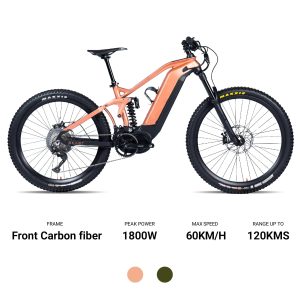 Beast Electric moutain bike 60V BaFang M620 1000W
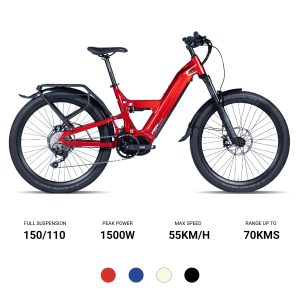 BaFang M620 1000W CC EMTB Electric mountain bike
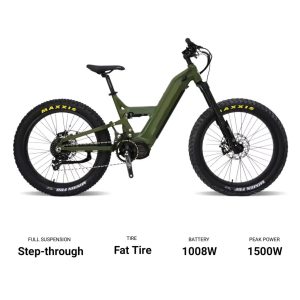 BaFang M620 1000W CC Fat Tire Electric mountain bike
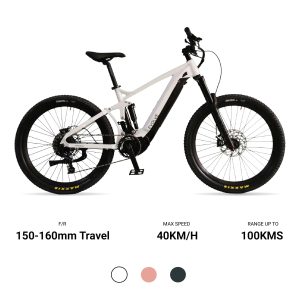 BaFang M510 1000W Electric mountain bike Evolve
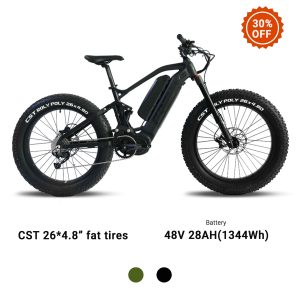 BaFang M620 1000W Electric mountain bike EX FAT Tire E-bike
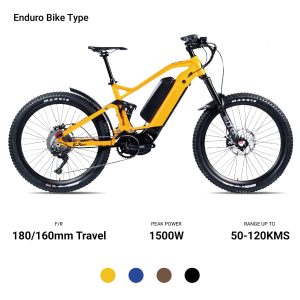 BaFang M620 1000W EX Electric Mountain Bike
2.1 Daily Mobility for the Elderly & People with Limited Mobility
Daily mobility support for the elderly and people with limited mobility is the core and largest application scenario for electric mobility scooters. With the rapid growth of the global aging population, millions of seniors and users with mild leg mobility struggles face inconvenient short-distance travel. Electric mobility scooters perfectly solve this industry pain point, supporting daily shopping, community walking, park leisure, and neighborhood visits. Compared with manual walking aids and tiring long walks, mobility scooters greatly save physical strength; compared with restrictive medical electric wheelchairs, they provide a more open, comfortable riding experience and greater travel freedom, making them the preferred daily mobility tool for middle-aged and elderly families worldwide.
2.2 Medical & Nursing Home Institutional Scenarios
Professional medical institutions and senior nursing homes form a vital B-end market for electric mobility scooters. Large general hospitals, specialized rehabilitation centers, and standardized nursing homes purchase bulk mobility scooters to provide convenient, safe travel services for inpatients and resident seniors, effectively improving overall elderly care and medical service quality. Smart electric mobility scooters equipped with safety monitoring and fall alert functions significantly reduce accidental injury risks for elderly users, fully meeting the standardized and intelligent service requirements of professional medical and elderly care institutions.
2.3 Urban Short-Distance Commuting & Last-Mile Travel
Across Europe, North America, and Southeast Asia, lightweight electric mobility scooters have become popular tools for urban short-distance commuting and last-mile travel. These flexible mobility devices effectively solve common urban travel pain points: exhausting walking, troublesome driving, and traffic congestion for short trips. Ideal for 5km-range office commutes, daily supermarket runs, and family school pickups, compliant low-speed mobility scooters meet local urban traffic regulations in most countries and have become an indispensable part of global green urban micro-mobility systems.
2.4 Commercial & Logistics Auxiliary Scenarios
Electric mobility scooters also deliver high practical value in commercial and logistics auxiliary scenarios. In large shopping malls, university campuses, urban parks, airport terminals, and industrial parks, staff use mobility scooters for daily security patrols and passenger auxiliary guidance. Additionally, customized cargo-type electric mobility scooters are widely adopted for community group buying delivery, terminal express distribution, and urban cold chain logistics. Their zero-emission, low-noise, and flexible passing advantages overcome the usage restrictions of fuel vehicles in urban core zones and closed public spaces, showcasing strong scenario adaptability and commercial value.
3. Electric Mobility Scooter vs Electric Wheelchair: Core Differences & Market Positioning
A common confusion among global buyers and users is distinguishing between electric mobility scooters and electric wheelchairs. While both belong to assistive mobility equipment, the two products have fundamental differences in core positioning, functional design, target user groups, and market attributes, forming two independent, non-completely substitutable segmented tracks in the global assistive transportation industry.
|
Comparison Dimension
|
Electric Mobility Scooter
|
Electric Wheelchair
|
|---|---|---|
|
Product Positioning
|
Daily travel & leisure mobility tool, civilian consumer product
|
Professional medical assistive equipment, rehabilitation medical supplies
|
|
User Group
|
Healthy elderly, users with slight mobility inconvenience, urban short-distance travelers
|
Patients with severe mobility disorders, disabled people, postoperative rehabilitation crowds
|
|
Functional Focus
|
Portability, comfort, long battery life, outdoor adaptability
|
Medical safety, sitting posture protection, auxiliary rehabilitation, precise control
|
|
Usage Scenarios
|
Family, community, outdoor leisure, urban short-distance travel
|
Hospital rehabilitation, indoor home care, barrier-free medical scenarios
|
|
Market Attributes
|
Mass consumer market, high flexibility, strong cross-border sales attribute
|
Professional medical market, strict certification threshold, policy-supported
|
To summarize the core comparison: electric mobility scooters focus on “daily travel convenience and leisure mobility”, belonging to consumer-grade micro-mobility products for mass civilian use; in contrast, electric wheelchairs focus entirely on “medical rehabilitation and barrier-free care”, belonging to professional medical-grade assistive equipment. The markets for mobility scooters and electric wheelchairs are highly complementary, with each maintaining stable and independent market demand growth without full substitution.
4. Global Electric Mobility Scooter & Wheelchair Market Analysis (2025-2030)
4.1 Overall Market Scale & Growth Trend
Driven by global population aging, urban micro-mobility upgrades, and rising elderly care awareness, the global market for electric mobility scooters and electric wheelchairs has achieved sustained stable growth. According to authoritative industry market research data, the global portable electric mobility scooter market size reached approximately 2.38 billion US dollars in 2024. Industry forecasts indicate the market will maintain a compound annual growth rate (CAGR) of 6.2% from 2025 to 2030, exceeding 3.3 billion US dollars in market value by the end of 2030.
As a mature medical assistive equipment track, the global electric wheelchair market boasts a larger market base. Fueled by improved global medical security systems and growing postoperative and disabled population rehabilitation demand, the electric wheelchair market maintains steady growth. Notably, the electric mobility scooter industry achieves a higher growth rate, benefited from the continuous expansion of civilian consumer scenarios and increasing penetration in urban micro-mobility markets.
4.2 Regional Market Segmentation & Demand Characteristics
North American Market
North America is the world’s largest high-end consumer market for electric mobility scooters and electric wheelchairs. Local elderly consumers have strong purchasing power, and complete medical security systems cover the consumption of assistive mobility equipment. North American buyers prioritize premium product quality, international safety certifications, and intelligent functional configurations. Four-wheel heavy-dutyelectric mobility scooters and medical-grade electric wheelchairs dominate the regional market, with obvious product premium characteristics and high consumer brand loyalty.
European Market
Europe features strict environmental protection policies and comprehensive urban barrier-free facilities, creating a superior market environment for electric mobility scooters. Supported by regional green travel initiatives, European civilian demand for mobility scooters continues to rise. Meanwhile, the EU’s stringent product safety certification standards raise industry entry thresholds, regulating market product quality. The European market is dominated by compliant, low-noise, zero-emission lightweight electric mobility scooters, with foldable portable models witnessing the fastest demand growth.
Asia-Pacific Market
The Asia-Pacific region is the fastest-growing global market for electric mobility scooters and electric wheelchairs, supported by huge demographic dividends. Severe population aging in China, Japan, and South Korea generates rigid long-term demand for elderly mobility equipment. Additionally, rapid urbanization in Southeast Asian countries drives explosive demand for cost-effective electric mobility scooters for urban short-distance travel. Currently, the Asia-Pacific region serves as the core production and export base for global mobility scooters and electric wheelchairs, with prominent industrial cluster and manufacturing cost advantages.
4.3 Market Driving Factors & Industry Challenges
Core Driving Factors: First, the continuous expansion of the global aging population creates rigid incremental demand for electric mobility scooters and electric wheelchairs; second, iterative upgrades in lithium battery and intelligent control technologies reduce production costs while improving the battery life, safety, and user experience of mobility scooters; third, the continuous improvement of urban barrier-free facilities and green travel policies provides a favorable policy and infrastructure environment for assistive mobility equipment; fourth, the rapid development of cross-border e-commerce lowers global sales barriers, accelerating the worldwide popularization of cost-effective electric mobility scooters.
Industry Challenges: On the one hand, regional policy and certification standards vary greatly worldwide, with different countries imposing distinct access regulations on low-speed electric mobility scooters and medical-grade electric wheelchairs, increasing cross-border market entry difficulties; on the other hand, the industry faces uneven product quality, with low-end counterfeit products flooding the low-price market, while high-end intelligent mobility scooter products require high R&D costs, forming a polarized competitive pattern in the global market.
5. Future Development Trends of the Industry
5.1 Intelligent & Safe Upgrading
The future iteration of electric mobility scooters and electric wheelchairs will focus on intelligence and active safety upgrades. Core intelligent functions including automatic obstacle avoidance, adaptive intelligent speed limit, fall accident alarm, GPS real-time positioning, and remote family monitoring will become standard configurations for mid-to-high-end mobility scooters and medicalelectric wheelchairs. These upgrades comprehensively improve user travel safety, meet the intelligent management needs of nursing institutions and family caregivers, and greatly enhance product added value and market competitiveness.
5.2 Lightweight & Portable Optimization
With the upgrading of global consumer demand, lightweight and portable design will become the mainstream development trend of electric mobility scooters. Manufacturers are widely adopting new high-strength lightweight materials to reduce overall product weight while ensuring structural stability. The optimized foldable structure greatly improves the portability and storage convenience of mobility scooters, perfectly adapting to diverse scenarios such as family daily use, outdoor travel, and cross-region mobile transportation.
5.3 Scenario Diversification & Market Segmentation
The electric mobility scooter and electric wheelchair industry will achieve refined segmented iteration based on scenario demands. Civilian consumer-grade mobility scooters will continue to focus on cost performance, portability, and daily practicality; medical-grade electric wheelchairs will deepen R&D on professional rehabilitation functions and medical safety protection; commercial customized electric mobility scooters will be optimized for patrol, logistics distribution, and institutional service scenarios, forming a comprehensive full-scene product layout.
5.4 Global Branding & Standardization
As global industry certification and quality standards gradually mature, low-quality and non-compliant mobility scooter products will be phased out of the market. High-quality, fully certified, and branded electric mobility scooters and electric wheelchairs will capture mainstream market shares. Leading global manufacturing enterprises will accelerate overseas layout, relying on advanced manufacturing and R&D advantages to expand high-end markets in Europe, North America, and other regions.
6. Conclusion
As a core component of global green micro-mobility and professional medical assistive equipment,electric mobility scooters possess unique scenario advantages and irreplaceable market value, distinctly different from professional rehabilitation electric wheelchairs. Driven by global population aging, urban green travel policies, and continuous technological innovation, the global electric mobility scooter market will maintain stable growth from 2025 to 2030. The entire industry will evolve toward intelligence, lightweight design, scenario segmentation, and standardized certification. For cross-border sellers and global industry investors, grasping the differentiated positioning ofmobility scooters and electric wheelchairs and capturing regional market demand differences is the core key to seizing industry development dividends.
FAQs
Q1: What is the difference between a mobility scooter and an electric wheelchair? A1: Electric mobility scooters are consumer-grade daily travel tools designed for elderly users and people with mild limited mobility, focusing on leisure and convenient short-distance travel.Electric wheelchairs are professional medical-grade rehabilitation equipment for users with severe mobility disabilities, prioritizing medical safety protection and professional rehabilitation assistance. The two products serve different user groups and application scenarios.
Q2: Are electric mobility scooters allowed on city roads? A2: In most European, American, and Southeast Asian countries, low-speed electric mobility scooters are legally permitted on residential community roads, urban sidewalks, and non-motorized lanes, complying with local green travel regulations. However, these low-speed assistive mobility scooters are prohibited from driving on urban high-speed motor roads for safety reasons.
Q3: Which market has the highest demand for mobility scooters? A3: North America and Europe are mature high-end markets forelectric mobility scooters with strong consumer purchasing power and high demand for premium products. The Asia-Pacific region is the fastest-growing incremental market, where population aging and rapid urbanization continue to drive explosive demand for cost-effective mobility scooters and electric wheelchairs.