Dual motor Electric Scooters for adults
(Full Detailed Introduction)
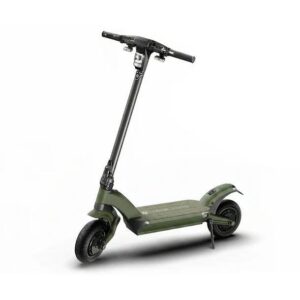
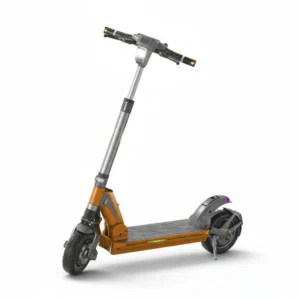
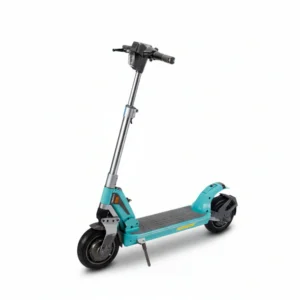
A dual-motor electric scooter is a high-performance personal electric vehicle equipped with two independent in-hub motors, typically arranged in a front-and-rear configuration to deliver all-wheel drive (AWD). Unlike single-motor scooters that rely solely on one wheel for propulsion, dual-motor systems adopt distributed power output, delivering substantial improvements in power delivery, driving stability, terrain adaptability, and load capacity. Positioned as an upgraded alternative to conventional single-motor electric scooters, this category caters to high-performance commuting, heavy-duty travel, and light off-road scenarios.
1. Working Principle & Structural Design
The defining feature of dual-motor electric scooters is their independent dual powertrain setup. Two dedicated in-hub motors are installed within the front and rear wheels respectively, each supported by standalone power circuits and control modules. An intelligent onboard controller dynamically adjusts the front-to-rear power distribution ratio based on real-time road conditions, traveling speed, and applied load.
During steady cruising on flat terrain, the system reduces output from a single motor to minimize energy consumption and extend battery life. During acceleration, hill climbing, or travel over rough surfaces, both motors operate synchronously to deliver full torque output and ensure ample power reserves. Additionally, the balanced dual-motor layout optimizes the vehicle’s front-rear weight distribution, eliminating the body tilt and compromised controllability commonly seen in single-motor scooters with one-sided power delivery.
2. Core Performance Advantages (Detailed Analysis)
2.1 Superior Power and Responsive Acceleration
Dual-motor scooters deliver drastically higher power output than their single-motor counterparts. Mainstream models feature a total rated power ranging from 1000W to 4000W, with peak instantaneous power reaching 5000W to 6000W — a 3 to 10-fold increase compared to the 350W–800W output of standard single-motor units. Synchronized dual-motor propulsion enables linear, explosive acceleration, achieving 0–50 km/h acceleration in 3 to 6 seconds. This eliminates the power lag inherent to single-motor designs, supporting rapid speed transitions and efficient urban commuting.
2.2 Exceptional Climbing Capability and Slope Adaptability
Advanced hill-climbing performance is one of the most prominent strengths of dual-motor configurations. Single-motor scooters only handle gentle slopes below 10%, suffering from severe power attenuation, reduced speed, and even stall failure on steeper gradients. In contrast, dual-motor models generate superimposed torque across two drive wheels, reliably navigating steep slopes of 15% to 30%. This covers most urban overpasses, hilly roadways, and residential ramps, with consistent, slip-resistant power delivery throughout the climbing process.
2.3 Enhanced Traction and Anti-slip Stability
All-wheel drive significantly boosts road traction by applying driving force to both wheels simultaneously, maximizing tire-ground friction. This design effectively prevents wheel spin, lateral skidding, and tail sliding on wet pavement, gravel, muddy surfaces, and uneven potholed terrain. Furthermore, synchronous dual-motor braking assistance stabilizes the vehicle during deceleration, shortens braking distances, and mitigates rollover and sideslip risks caused by unbalanced single-wheel braking force, substantially improving high-speed driving safety.
2.4 Improved Load Capacity and Structural Durability
Dual-motor scooters adopt reinforced frame and hub structures engineered for high-power, heavy-duty operation. They support standard payloads of 100kg to 150kg with consistent performance. The dual-power load-sharing mechanism avoids the overload overheating, power degradation, and motor damage prevalent in single-motor scooters under heavy loads. Whether carrying heavy riders or daily cargo, the vehicle maintains steady speed and stable operation, extending the overall service life of powertrain components.
2.5 Optimized High-speed Handling and Maneuverability
Balanced front-rear power distribution enhances the vehicle’s centering and tracking performance during high-speed cruising and cornering. Single-motor scooters often suffer from gravitational imbalance and directional deviation when turning at speed. Dual-motor systems, however, fine-tune power output across the drive wheels dynamically, enabling precise turning radii, minimized body roll, and more responsive, labor-saving handling.
3. Complete Parameter Configuration Standards
3.1 Power System
Individual motors offer rated power of 500W to 2000W, delivering total vehicle rated power between 1000W and 4000W, with peak power up to 6000W. Most units feature stepless speed regulation and selectable driving modes (Eco / Standard / Sport), allowing seamless switching between energy-efficient cruising and high-power dynamic performance.
3.2 Battery System
These scooters are equipped with high-voltage, high-capacity lithium batteries in 48V, 60V, and 72V specifications, with capacity ranging from 10Ah to 25Ah and energy output spanning 500Wh to 1500Wh. Under standard load and flat-road conditions, the maximum cruising range reaches 50km to 100km. High-end configurations support fast charging and detachable battery designs, facilitating convenient indoor charging and field battery replacement.
3.3 Chassis and Tire Configuration
Reinforced aluminum alloy or high-tensile steel frames are universally adopted to withstand high power output and heavy loads. Vehicles are fitted with 10–12 inch thickened pneumatic or off-road anti-slip tires, featuring widened treads and deeper grooves for superior grip and shock absorption. Most models integrate front and rear independent suspension systems (spring or hydraulic), effectively filtering road vibrations and substantially improving ride comfort.
3.4 Braking and Safety System
Front and rear dual hydraulic disc brakes come as standard, paired with dual-motor regenerative braking. The combination of mechanical friction braking and electronic energy recovery braking reduces stopping distances by 20% to 30% compared with single-brake single-motor alternatives. Full lighting systems including high-lumen headlights, taillights, turn signals, and reflective strips ensure reliable visibility and safety during low-light and nighttime travel.
3.5 Vehicle Body Parameters
The net weight of dual-motor scooters ranges from 25kg to 40kg. Though heavier than lightweight single-motor models, they deliver vastly superior structural stability. Most designs incorporate a foldable mechanism for compact storage in vehicle trunks, corridors, and small indoor spaces, striking a practical balance between high performance and daily portability.
4. Dual-motor vs Single-motor Electric Scooters (Full Comparison)
|
Core Dimension
|
Dual-motor Electric Scooter
|
Single-motor Electric Scooter
|
|
Power Output
|
Total power of 1000W–4000W with robust torque delivery; maintains consistent performance without power attenuation under heavy loads
|
Single output of 350W–800W with limited explosive power; exhibits noticeable performance degradation under heavy-load conditions
|
|
Speed Performance
|
Maximum speed of 56–80km/h with linear, responsive acceleration
|
Maximum speed of 25–40km/h with sluggish acceleration and obvious power lag
|
|
Climbing Capacity
|
Stably negotiates steep slopes of 15%–30% with zero stalling or wheel slippage
|
Limited to slopes below 10%; prone to slipping and power failure on steeper terrain
|
|
Road Adaptability
|
Versatile for flat urban roads, gravel, mud, potholed surfaces, and hilly terrain
|
Restricted to smooth flat roads; poor compatibility with complex or uneven road conditions
|
|
Load-bearing Capacity
|
Supports 100kg–150kg payloads with stable operational performance
|
Suitable for 60kg–100kg payloads; prone to overheating and overload failure under heavy weight
|
|
Body Stability
|
Balanced front-rear drive layout ensures high-speed stability and minimal skid risk
|
Single-wheel drive causes unbalanced weight distribution, leading to directional deviation and skidding at high speeds
|
|
Weight & Portability
|
Net weight of 25–40kg; slightly heavy yet foldable for convenient daily storage
|
Lightweight at 10–20kg for effortless manual carrying and transport
|
|
Price Positioning
|
Mid-to-high tier positioning with high comprehensive cost performance
|
Entry-level pricing for basic daily commuting demands
|
|
Energy Consumption
|
Higher power consumption under full-power mode; efficient and controllable energy usage in Eco mode
|
Low energy consumption, yet limited to single-scenario flat-road operation
|
5. Applicable Crowds & Usage Scenarios
5.1 Urban Long-distance Commuters
Ideal for users with a daily commute of 5 to 15km. Its high-speed capability and long battery range effectively reduce travel time, delivering efficient mobility for urban overpasses, sloped roadways, and congested traffic sections.
5.2 Complex Terrain Travelers
Well-suited for residents in hilly cities, suburban areas, and regions with unpaved or uneven roads. Superior traction, shock absorption, and climbing performance resolve the mobility limitations of standard scooters on rugged terrain.
5.3 Heavy-load Users
Designed to accommodate heavier riders and users who frequently carry travel gear, groceries, and daily supplies. The robust load-resistant and anti-overload design ensures stable operation and prevents component failure during long-duration heavy-load travel.
5.4 Performance-oriented Riding Enthusiasts
Meets the demands of users pursuing dynamic power and precise handling. Dual-motor explosive propulsion and stable high-speed controllability support daily leisure riding and short-distance light off-road exploration.
6. Defects & Usage Limitations
6.1 Higher Power Consumption
Due to its higher overall power rating, the dual-motor system consumes more energy per kilometer under full-power operation. Continuous high-speed driving will noticeably reduce overall battery endurance compared to single-motor models.
6.2 Compromised Portability
The dual-motor assembly and reinforced frame increase overall vehicle weight. This makes manual carrying and vehicle loading less convenient than lightweight single-motor scooters, while requiring slightly more storage space.
6.3 Elevated Maintenance Costs
Dual powertrain and dual brake systems feature more complex mechanical and electronic structures. As a result, routine inspections, component replacements, and overall long-term maintenance incur higher costs and require greater technical proficiency.
7. Professional Purchase & Usage Guidelines
7.1 Power Selection by Scenario
A total power output of 1000W–2000W suffices for flat-road daily commuting with optimal energy efficiency. For hilly regions, frequent hill climbing, and off-road use, models with total power above 3000W are recommended to ensure sufficient power reserves.
7.2 Battery Configuration Priority
Prioritize models equipped with 60V or higher high-voltage battery systems. For commutes exceeding 10km, a minimum battery capacity of 15Ah is advised to guarantee a practical cruising range of over 50km. Detachable battery designs offer greater flexibility for indoor charging and battery replacement.
7.3 Chassis and Safety Configuration Requirements
Front and rear dual hydraulic disc brakes paired with motor regenerative braking are essential for reliable high-speed stopping performance. Complementary front-rear independent suspension and thickened off-road tires further enhance terrain adaptability and riding comfort.
7.4 Reasonable Weight Selection
Users prioritizing portability may opt for 25–30kg lightweight dual-motor models, while those pursuing extreme stability and off-road performance should select reinforced 30–40kg heavy-duty versions.
7.5 Daily Operation Precautions
Avoid prolonged full-power high-speed driving to reduce energy consumption and component wear. Regularly inspect motor wiring tightness and brake sensitivity. Prevent deep water wading to avoid hub motor water ingress and short-circuit faults. Switch to Eco mode during flat-road cruising to maximize battery lifespan.