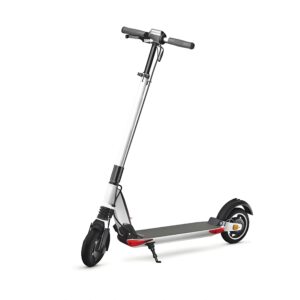
Dual Motor Scooter Market Analysis 2025-2032 | Key Trends & Growth Drivers
In recent years, the global electric scooter market has undergone rapid upgrading, with the dual motor scooter gradually emerging as a high-growth segment driven by technological innovation and changing consumer demands. Unlike traditional single-motor models, a dual motor scooter is equipped with two independent electric motors—one in each wheel—enabling all-wheel drive, which significantly enhances performance in terms of power, traction, and handling. This dual motor scooter market analysis comprehensively examines the current status, key drivers, challenges, regional trends, competitive landscape, and future outlook of the dual motor scooter market, providing actionable insights for industry participants and investors looking to capitalize on this growing segment.
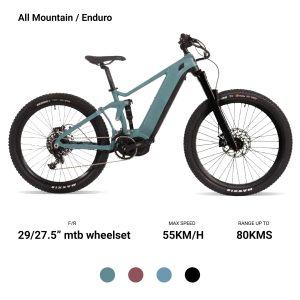
ES01 Electric Bike
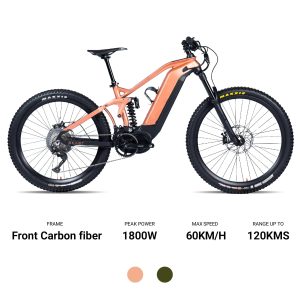
ES02 Step through Ebike
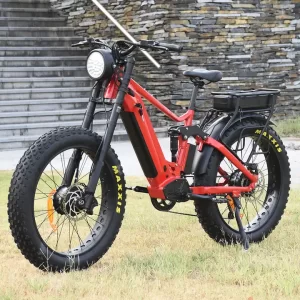
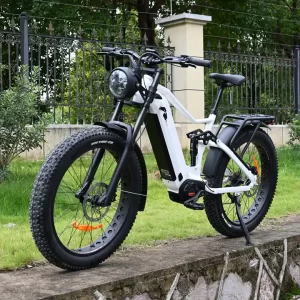
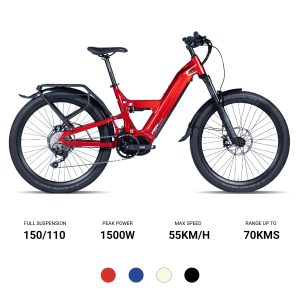
ES03 Fat tire Ebicycle
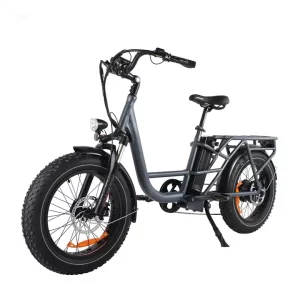
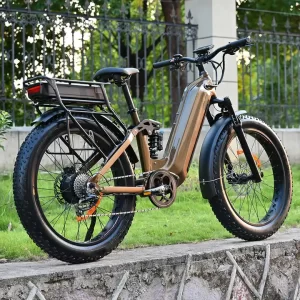
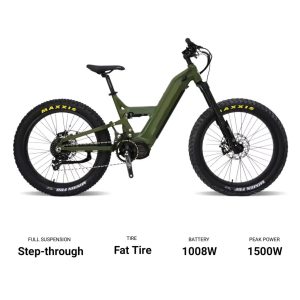
ES04 step through Ebikes
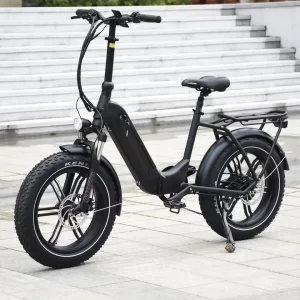
ES05 Folding Ebike
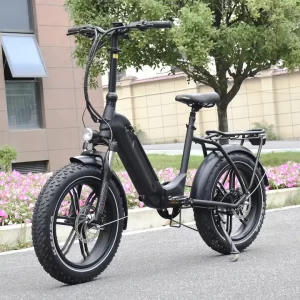
ES06 foldable bike
1. Dual Motor Scooter Market Overview
The dual motor scooter market is a niche but fast-growing part of the global light electric vehicle (LEV) industry. Benefiting from advancements in battery technology, rising demand for high-performance personal mobility, and global sustainability initiatives, the dual motor scooter market has witnessed robust growth in recent years. As of 2025, dual motor configurations account for approximately 12% of premium electric scooters, reflecting a growing preference for enhanced performance among consumers seeking more reliable and safer riding experiences with a dual motor scooter.
The dual motor scooter market is characterized by clear segmentation based on product specifications and price ranges. Entry-level dual motor scooter models are priced between $549 and $1,500, targeting daily commuters, while high-end “hyper scooters” with advanced dual motor configurations can cost up to $4,999, catering to adventure seekers and performance enthusiasts. Key features of a dual motor scooter include dual hub motors, advanced suspension systems, enhanced braking, and lithium-ion batteries with a typical range of 25–43 miles per charge, though this varies by terrain, rider weight, and speed settings.
2. Key Drivers Fueling Dual Motor Scooter Market Growth
2.1 Technological Advancements in Dual Motor Scooter Design
Continuous innovations in motor and battery technology are the core drivers of dual motor scooter market growth. High-power dual motor scooter models such as the Circo Oter Raptor Pro (2000W) and Nami Burn-E 2 Max (1500W) offer exceptional top speeds (up to 61 km/h) and hill-climbing capabilities, outperforming single-motor counterparts significantly. A dual motor scooter’s all-wheel drive system, powered by two independent motors, delivers superior torque and efficiency, addressing key consumer needs for power and reliability. Meanwhile, advancements in lithium-ion battery technology—such as LFP battery packs for improved safety and cycle life, and NMC packs for higher energy density—have extended dual motor scooter battery range and reduced charging time, a critical pain point for consumers considering a dual motor scooter. Additionally, the integration of smart features like GPS tracking, app control, and advanced battery management systems (BMS) has further enhanced the appeal of the dual motor scooter.
2.2 Rising Demand for High-Performance, Safe Dual Motor Scooter Options
The shift toward a dual motor scooter stems from consumer demand for higher performance, more reliable commutes, and safer riding experiences. A dual motor scooter distributes power to both wheels, doubling power output and enabling rapid acceleration, quick overtakes, and easy navigation of steep hills or rough terrain—advantages that single-motor scooters rarely match. Moreover, the all-wheel drive of a dual motor scooter ensures superior traction on wet, loose, or uneven surfaces, greatly reducing the risk of slips and falls, which is crucial for urban commuters navigating diverse city environments. A 2025 survey shows that 67% of electric scooter owners use them primarily for daily commuting, and 42% of owners are aged 25–34, a demographic increasingly willing to pay for performance and safety upgrades in a dual motor scooter.
2.3 Urbanization and Sustainability Initiatives Boosting Dual Motor Scooter Adoption
Rapid urbanization has led to worsening traffic congestion and a growing demand for efficient “last-mile” mobility solutions, with the dual motor scooter emerging as an ideal choice. A dual motor scooter’s compact size, foldability (adopted by 89% of dual motor scooter models), and zero emissions align with global sustainability goals, making it a popular option for eco-conscious urban commuters. Governments worldwide are promoting eco-friendly transportation through subsidies, tax waivers, and expanded micro-mobility infrastructure—for example, cities like London and San Francisco have expanded shared scooter fleets (Bird, Lime), many of which now include dual motor scooter models, further boosting dual motor scooter market adoption. The global electric two-wheeler market is projected to grow at a CAGR of 10.6% from 2025 to 2032, with the dual motor scooter contributing significantly to this growth due to its performance advantages.
2.4 Regulatory Support for Compliant Dual Motor Scooter Models
Regulatory frameworks are gradually shaping the dual motor scooter market by promoting compliant models. In China, for instance, 29 provincial administrative regions have included electric scooters in the non-motor vehicle management catalog, allowing compliant dual motor scooter models (max speed ≤25km/h, weight ≤55kg, motor power ≤400W) to travel on non-motor vehicle lanes. While high-performance dual motor scooter models may face restrictions in some regions, regulatory support for eco-friendly transport overall has created a favorable environment for dual motor scooter market expansion. Additionally, the phase-out of non-compliant single-motor scooters in many countries has accelerated the adoption of compliant dual motor scooter alternatives.
3. Challenges Facing the Dual Motor Scooter Market
3.1 High Cost of Dual Motor Scooter Models and Price Sensitivity
The high cost of dual motor configurations—due to the use of two motors, advanced batteries, and sophisticated suspension systems—results in higher retail prices for a dual motor scooter compared to single-motor scooters. This price gap limits dual motor scooter market penetration among price-sensitive consumers, especially in emerging markets where affordability remains a key consideration. While entry-level dual motor scooter models are becoming more accessible, the premium dual motor scooter segment (above $1,500) remains a niche, restricting widespread dual motor scooter adoption.
3.2 Regulatory Uncertainty for Dual Motor Scooter Usage
Regulatory inconsistencies across regions pose a major challenge for dual motor scooter market growth. Some countries and cities have imposed strict restrictions on electric scooter speed, motor power, and usage (e.g., banning scooters on sidewalks or requiring licenses), which vary significantly from one region to another and impact dual motor scooter adoption. For example, high-performance dual motor scooter models with speeds exceeding 25km/h may be classified as motor vehicles in some regions, requiring licenses and insurance, which increases user barriers for a dual motor scooter. This regulatory fragmentation complicates dual motor scooter market expansion for manufacturers and limits economies of scale.
3.3 Consumer Concerns and Infrastructure Gaps for Dual Motor Scooter Users
Consumer concerns about safety and battery life hinder dual motor scooter market growth. While a dual motor scooter offers better traction, its higher speed increases safety risks in dense urban areas, leading to concerns among both users and policymakers. Budget dual motor scooter models also face criticism for short battery life, further affecting consumer trust in the dual motor scooter. Additionally, the lack of dedicated charging infrastructure and parking facilities in many cities limits the convenience of electric scooters, including the dual motor scooter, especially for long-distance commutes.
4. Regional Dual Motor Scooter Market Trends
4.1 Asia-Pacific: Largest Dual Motor Scooter Market
Asia-Pacific is the largest and fastest-growing dual motor scooter market, driven by rapid urbanization, large commuter populations, and strong government support for electric mobility. China, as the world’s largest electric scooter market, accounts for a significant share of global dual motor scooter sales, with major manufacturers like Segway-Ninebot, Niu, Yadea, and Aima leading the dual motor scooter market. In 2025, China’s electric scooter market size reached approximately $186 million, with dual motor scooter models gaining traction among young commuters and urban dwellers. India, Indonesia, and Thailand are also emerging as key growth markets for the dual motor scooter, supported by government subsidies (e.g., India’s FAME II scheme) and expanding micro-mobility infrastructure. The Asia-Pacific electric two-wheeler market is projected to grow at a CAGR of 10.6% from 2025 to 2030, reaching $25.27 billion by 2030, with the dual motor scooter playing a key role.
4.2 North America: Mature Dual Motor Scooter Market
North America is a mature dual motor scooter market, with high consumer willingness to pay for premium and high-performance dual motor scooter products. The United States and Canada have a strong demand for dual motor scooter models among adventure seekers and urban commuters, with key players including Segway-Ninebot, Boosted Rev, and Unagi offering a range of dual motor scooter options. The dual motor scooter market in this region is driven by rising environmental awareness, improving charging infrastructure, and the popularity of shared mobility services that include dual motor scooter models. Google Trends data shows a 100% spike in search volume for “2025 model dual motor scooter” in August 2025, coinciding with new dual motor scooter product launches, indicating strong consumer interest in the dual motor scooter.
4.3 Europe: Growing Dual Motor Scooter Market with Strict Regulations
Europe is another key dual motor scooter market, characterized by strict environmental regulations and high adoption of micro-mobility solutions. Countries like Germany, France, and the UK have favorable policies for electric scooters, including dedicated bike lanes and subsidies for eco-friendly vehicles, supporting dual motor scooter adoption. The European dual motor scooter market favors high-quality, safe, and stylish dual motor scooter models, with manufacturers focusing on integrating smart features and complying with local regulations for the dual motor scooter. Shared scooter fleets in major European cities (e.g., Paris, Berlin) are also increasingly adopting dual motor scooter models to improve user experience and reliability, driving dual motor scooter market growth.
5. Dual Motor Scooter Market Competitive Landscape
The dual motor scooter market is highly competitive, with both established players and new entrants vying for dual motor scooter market share. Key manufacturers of dual motor scooter models can be divided into three categories: global giants, regional leaders, and niche performance brands, all competing to capture the growing demand for dual motor scooter.
Global giants such as Segway-Ninebot (Ninebot) leverage their technological advantages in smart mobility to offer a range of dual motor scooter models, capturing a significant share of the global dual motor scooter market. In 2025, Ninebot achieved a 7.3% market share in China’s electric two-wheeler market, with strong growth driven by its smart dual motor scooter features and performance-oriented dual motor scooter products. Regional leaders like Yadea, Aima, and Niu dominate the Asia-Pacific dual motor scooter market, focusing on cost-effective and compliant dual motor scooter models for daily commuters. Niche performance brands such as Nami and Circo Oter target the premium dual motor scooter segment, offering high-power dual motor scooter models with advanced configurations (e.g., Nami Burn-E 2 Max with 1500W motors and app control) at higher price points.
Competition in the dual motor scooter market is primarily based on dual motor scooter product performance, battery technology, price, and brand reputation. Manufacturers are increasingly investing in R&D to improve dual motor scooter battery life, enhance dual motor scooter safety features (e.g., triple braking systems), and integrate smart technologies to gain a competitive edge in the dual motor scooter market. Additionally, partnerships with shared mobility companies and expansion of distribution channels (both online and offline) are key strategies for dual motor scooter market expansion.
6. Dual Motor Scooter Market Future Outlook
The dual motor scooter market is expected to maintain strong growth in the coming years, driven by technological advancements, expanding urbanization, and increasing consumer demand for high-performance, eco-friendly mobility solutions like the dual motor scooter. Key trends shaping the future of the dual motor scooter market include:
-
Technological Innovation: Continued advancements in battery technology (e.g., sodium-ion batteries) and motor efficiency will reduce costs and extend range, making dual motor scooter models more accessible. The adoption of L2-level assisted driving features (e.g., blind spot monitoring, automatic emergency braking) is also expected to increase, enhancing dual motor scooter safety.
-
Market Expansion: Emerging markets in Asia-Pacific (e.g., India, Indonesia) and Latin America will become key growth drivers for the dual motor scooter, as rising disposable incomes and improving infrastructure boost demand for dual motor scooter models.
-
Regulatory Standardization: As governments worldwide refine electric scooter regulations, regulatory consistency will improve, reducing market barriers and enabling manufacturers to expand their dual motor scooter offerings globally more easily.
-
Integration with Smart Mobility: The dual motor scooter will increasingly integrate with smart city systems, including shared mobility platforms, parking management systems, and charging networks, enhancing user convenience for dual motor scooter riders.
However, the dual motor scooter market will also face challenges, including price sensitivity, regulatory uncertainties, and infrastructure gaps. Manufacturers that can balance dual motor scooter performance, cost, and compliance, while addressing consumer safety concerns, will be well-positioned to capitalize on the growing demand for dual motor scooter models.
- Portable electric scooter 500W Peak700W range 45km
- EBS is an integrated system of electromagnetic braking + kinetic energy recovery
- Scooters Peak power ≈ Rated power × 2.5~3 times
- Rated power vs Peak power, how to calculate peak power
- CHINEBIKE is waiting for you in Shanghai China Cycle of 2026
- Difference of ebikes and eMTB
- Complete Parts List of ebikes
- Complete List of Electric Scooter Parts & Accessories
- Why Are eMTBs So Expensive?
7. Dual Motor Scooter Market Conclusion
The dual motor scooter market is in a period of rapid growth, driven by technological innovation, urbanization, and sustainability initiatives. While high costs, regulatory inconsistencies, and infrastructure gaps pose challenges for the dual motor scooter market, its long-term outlook remains positive. As battery technology advances and regulatory frameworks become more standardized, the dual motor scooter is expected to move beyond a niche segment and become a mainstream choice for urban commuters and adventure seekers alike. For industry participants, focusing on R&D, cost optimization, and compliance will be key to seizing market opportunities in the dual motor scooter market in the coming years.
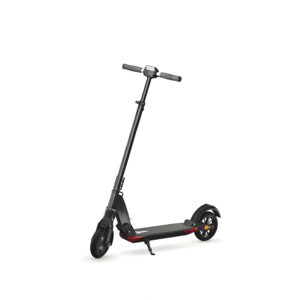
11.6KG Booster ETES ultra-light Electric Scooter 500W
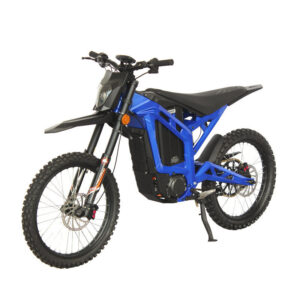
Electric motorcycle
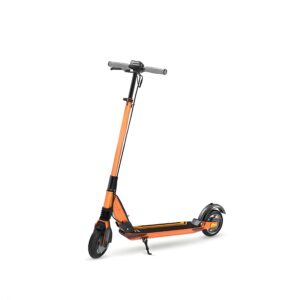
ET GTS Electric Scooter 700W 13KG Black
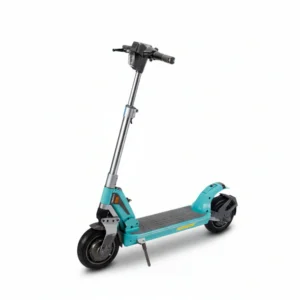
ET2 Dual Motor Electric Scooter 2x600W
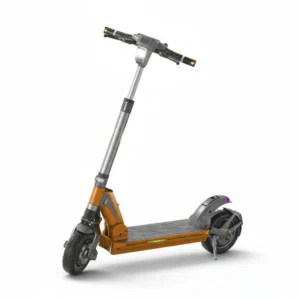
ET3 Dual Motor Electric Scooter 2x750W
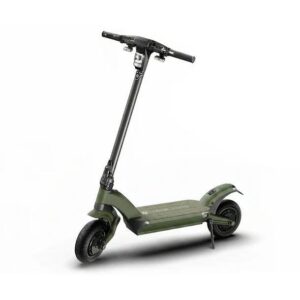
ET5 Dual Motor Electric Scooter 2x1000W