Which sells better: adult or children’s electric scooters?
In the electric scooter industry, when it comes to foreign trade exports, which sells better: adult electric scooters or children’s electric scooters?
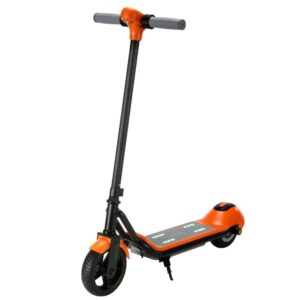
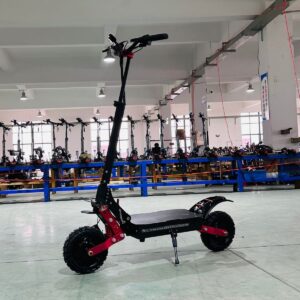
For foreign trade exports of electric scooters, looking at market trends and scale, adult models (for commuting/entertainment) are currently a more mainstream choice with a larger market capacity compared to children’s models.
The main reason is the global wave of “micromobility,” which has gradually transformed electric scooters from toys into practical tools for daily commuting and entertainment for adults. One of the most direct proofs is that the industry leader, Segway-Ninebot, has exceeded 10 million units in overseas sales, with nearly 80% of its total sales coming from overseas markets. The主力 products driving these figures are precisely the commuter models targeting the adult market.
Here are some core facts supporting this conclusion, which can help you see the differences between the two more clearly:
-
Core Market Positioning: Adult models serve as “transportation tools”, primarily addressing the practical need for solving the “last mile” commute in cities and catering to adults’ leisure and entertainment. In contrast, children’s models are more like “sports toys”, positioned as entertainment products designed to cultivate children’s sense of balance and motor skills.
-
Market Data & Examples: The market size is substantial. The global smart electric scooter market was valued at approximately $2.69 billion in 2025 and is projected to grow to $5.343 billion by 2032. Furthermore, Segway-Ninebot’s data indicates that its overseas sales account for nearly 80% of its total, with cumulative overseas sales surpassing 10 million units. In comparison, there is no publicly available data showing a large scale of exports for children’s electric scooters; the market volume is smaller, primarily targeting family consumption in Europe and America.
-
Product Trends: Adult models emphasize technology. Features like smart functionalities (APP connectivity,感应 unlocking), high performance (e.g., models popular in the US market with top speeds of 80 km/h), and safety (certifications like UL 2272) are key competitive points. Children’s models, however, prioritize safety-focused design, incorporating elements like speed limitations, more stable frames, and ease of control.
💡 Suggestions for Different Target Markets
Of course, when engaging in foreign trade exports, you also need to consider the differences in your target markets:
-
European Market: It is recommended to focus on commuter models. Europeans favor electric scooters as short-distance代步工具 and also have requirements regarding product dimensions (larger-sized products suitable for European body types are more popular).
-
US Market: Consider balancing commuting and entertainment models. Besides regular commuter scooters, “super scooters” with extreme sports and social attributes (faster speeds, higher performance) also have a significant market.
-
Children’s Market: Treat it as a product line supplement. If your primary customers are importers or retailers in developed countries like Europe and the US, children’s electric scooters can be a good complementary category, especially with potential for increased sales during the holiday season (e.g., before Christmas) in the second half of the year.
Leave a Reply